





What is UGT (Utility Green Tariff) in Thailand? Comparing UGT vs Unbundled REC Procurement
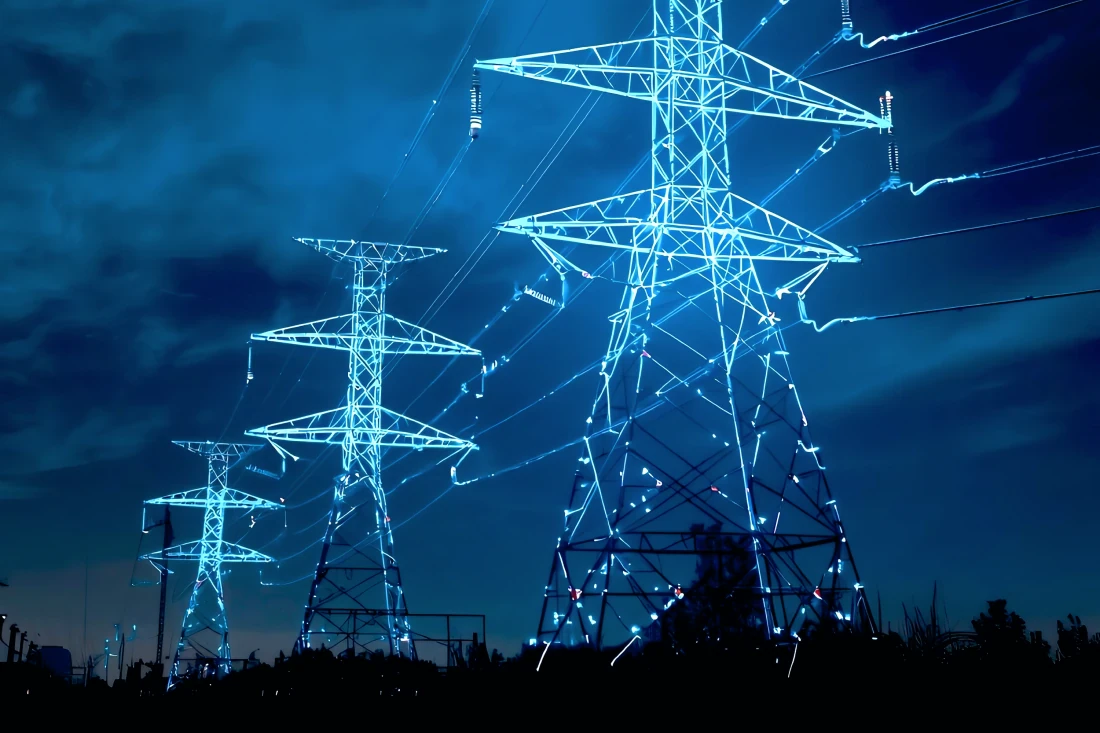
As organizations prioritize Renewable Energy and carbon reduction, a prominent option gaining traction in Thailand is the Utility Green Tariff (UGT).
UGT (Utility Green Tariff) is a renewable energy mechanism developed and managed by Thailand's state power utilities. It involves purchasing grid electricity bundled directly with Renewable Energy Certificates (RECs), known as a "Bundled" purchase model.
In simple terms, UGT enables organizations to consume electricity as usual while receiving certified proof that their power comes from renewable sources. This directly fulfills corporate objectives for ESG, Net Zero, and Carbon Neutrality.
Differences Between Buying UGT and Buying RECs Separately
While both UGT and RECs serve as corporate Renewable Energy instruments, their operational details and flexibility differ significantly.
| UGT | REC purchase | |
|---|---|---|
| ผู้ขาย | จำหน่ายโดยการไฟฟ้า | จำหน่ายโดยผู้ให้บริการภาคเอกชน |
| รูปแบบการซื้อ | ซื้อไฟฟ้าจากสายส่ง พร้อม REC โดยต้องระบุปริมาณการใช้ล่วงหน้าตั้งแต่ต้นปี และมีรอบเปิดรับสมัครที่ชัดเจน | ซื้อแยกจากการใช้ไฟฟ้า โดยบริษัทดำเนินการซื้อไฟฟ้าตามรูปแบบเดิม เพียงแต่เลือกซื้อ REC เพิ่มเติมในปริมาณที่ต้องการ สามารถซื้อได้ตลอดทั้งปี รวมถึงการซื้อย้อนหลังเพื่อชดเชยการใช้ไฟฟ้าในอดีต |
| ความยืดหยุ่นของรายละเอียดสินค้า | ไม่สามารถปรับแต่งรายละเอียดได้ เช่น ประเภทโรงไฟฟ้า วันผลิตไฟฟ้า หรือช่วงเวลาการส่งมอบ | มีความยืดหยุ่นสูง สามารถระบุได้ตั้งแต่ประเภทพลังงาน (Solar, Wind Bioenergy) วันผลิต ไปจนถึงช่วงเวลาการส่งมอบ |
| ราคา | มีกรอบราคาที่ชัดเจน เหมาะสำหรับองค์กรที่ต้องการซื้อในปริมาณไม่มาก และต้องการความแน่นอนด้านต้นทุน | ราคาอิงตามตลาดและคุณสมบัติของสินค้า โดยทั่วไปหากซื้อในปริมาณมาก (ตั้งแต่ประมาณ 10,000 MWh ขึ้นไป) ราคามักสามารถต่อรองได้และอาจต่ำกว่า UGT |
| การแสดงหลักฐาน และการชำระเงิน | ได้รับใบ REC Certificate โดยเรียกชำระเงินพร้อมกับบิลค่าไฟฟ้า | ได้รับใบ REC Certificate โดยเรียกชำระเงินแยกกับบิลค่าไฟฟ้า |
How to Start Planning Renewable Energy Suitable for Your Organization
Transitioning to Renewable Energy does not always require large upfront investments. Organizations can evaluate tailored pathways based on their business characteristics and sustainability goals:
1. Start by Installing a Solar System
If your organization has adequate space, installing a solar power system in any format is a key pathway to lowering long-term energy costs and tangibly increasing your Renewable Energy share.
For companies seeking zero upfront capital expenditure, WHAUP offers Solar Private Power Purchase Agreements (Private PPA). This service allows you to adopt solar power without upfront investment, managing energy expenses efficiently with long-term cost predictability.
2. Supplement Renewable Energy Targets with RECs or UGT
In cases where onsite solar generation cannot meet total power consumption demands, organizations can utilize Renewable Energy Certificates (RECs) or Utility Green Tariffs (UGT) to boost renewable ratios and fulfill greenhouse gas reduction targets.
WHAUP provides expert consultation to evaluate electricity loads, analyze costs, and design optimal energy pathways tailored to your corporate sustainability goals.
WHAUP: Your Partner in Every Step of Energy Transition
Amid Thailand's Renewable Energy transition, WHAUP supports organizations with end-to-end energy solutions—ranging from Solar Solutions and Battery Energy Storage Systems (BESS) to RECs and futuristic energy innovations. We enhance your business competitiveness while achieving long-term sustainability targets.
If you are interested in Solar, RECs, or tailored Renewable Energy solutions, the WHAUP expert team is ready to advise and design customized pathways for your organization.