




WHA Group Drives Green Economy and Eco-Technologies Showcasing All-Round ESG Success and Elevating WHA to "Thailand's First Industrial Estate to Concretely Develop Natural Ecosystems and Restore Local Biodiversity"
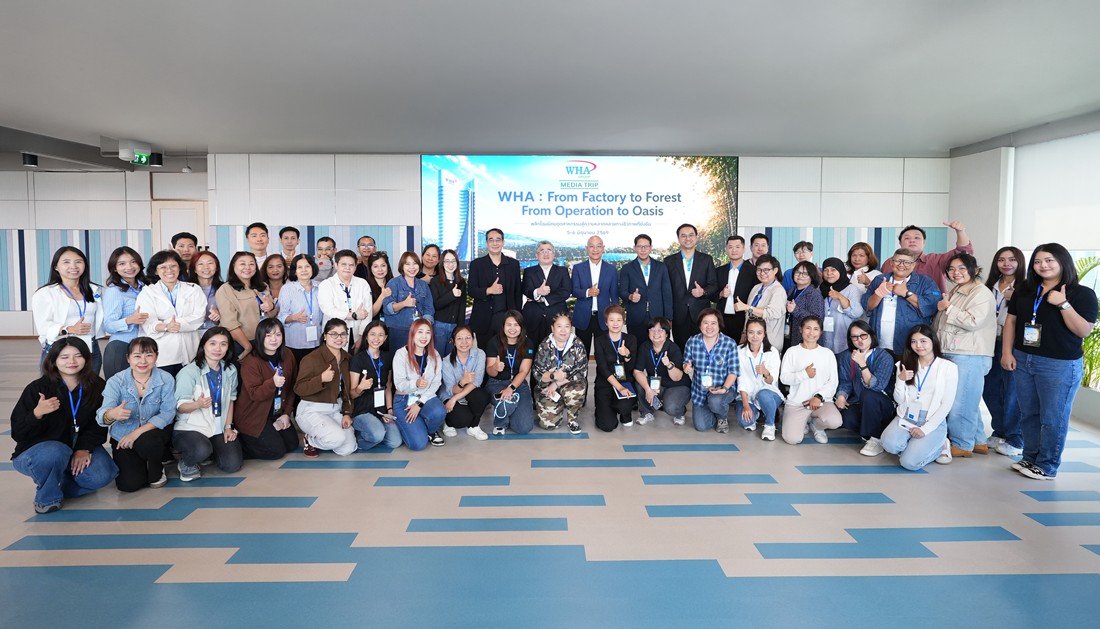
SAMUT PRAKAN, 5 June 2026 – WHA Group has elevated its commitment to driving Thailand toward sustainable development through five core strategies: Environmental Stewardship, Social Empowerment, Innovation and Governance, Green Economy Leadership, and Nation-Building Sustainability. Concurrently, the Group revealed outstanding annual performance in renewable energy, comprehensive water management, and the electric vehicle (EV) transition.
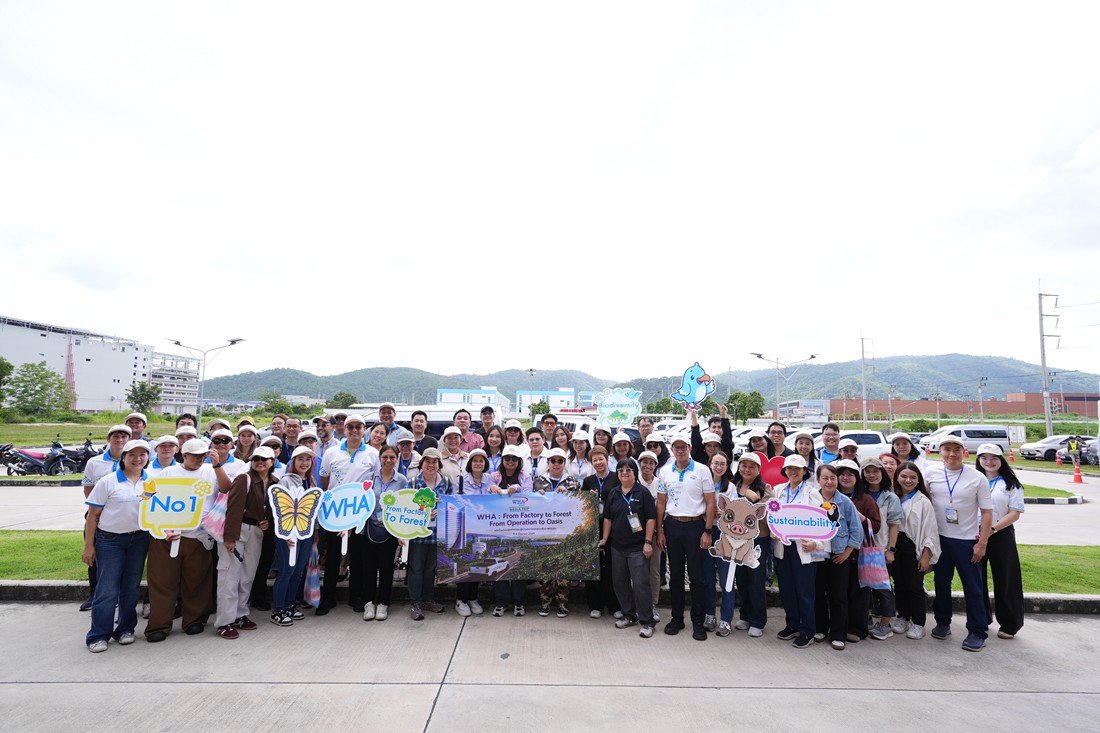
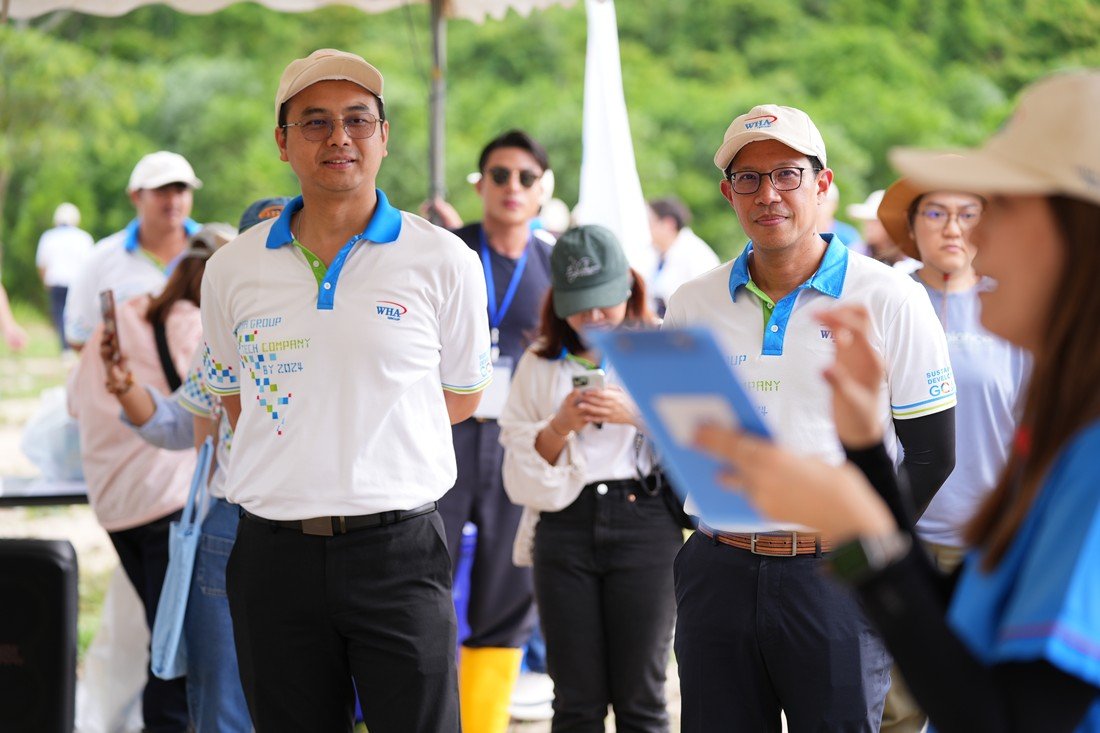
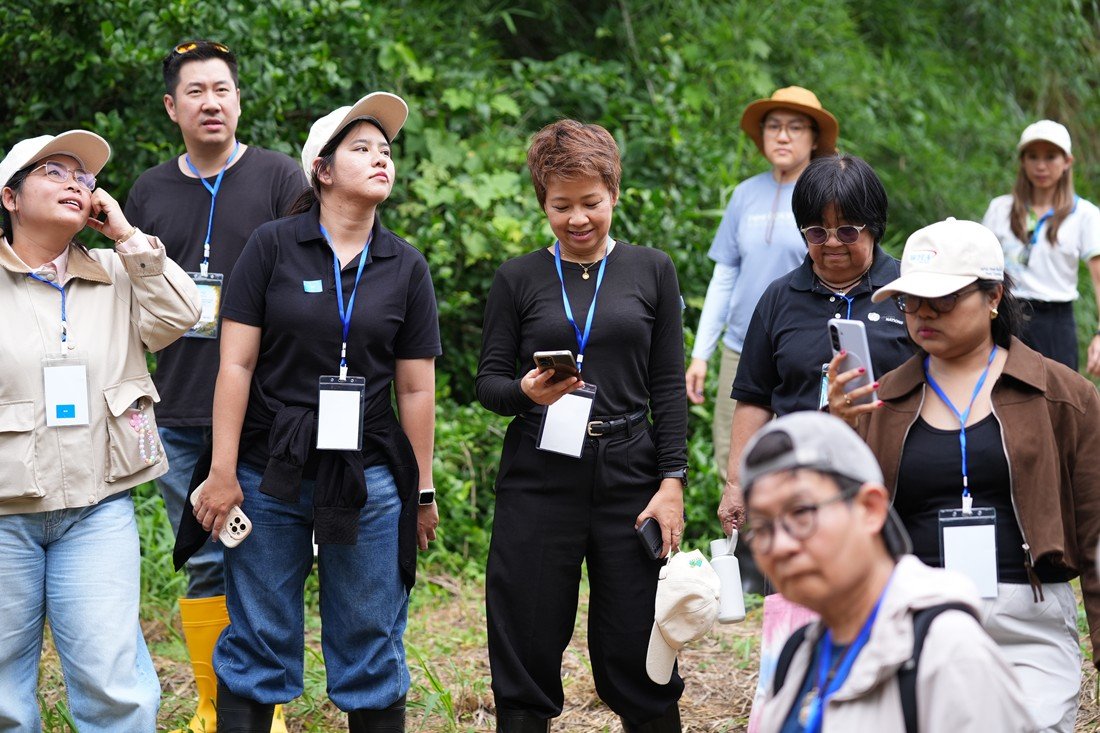
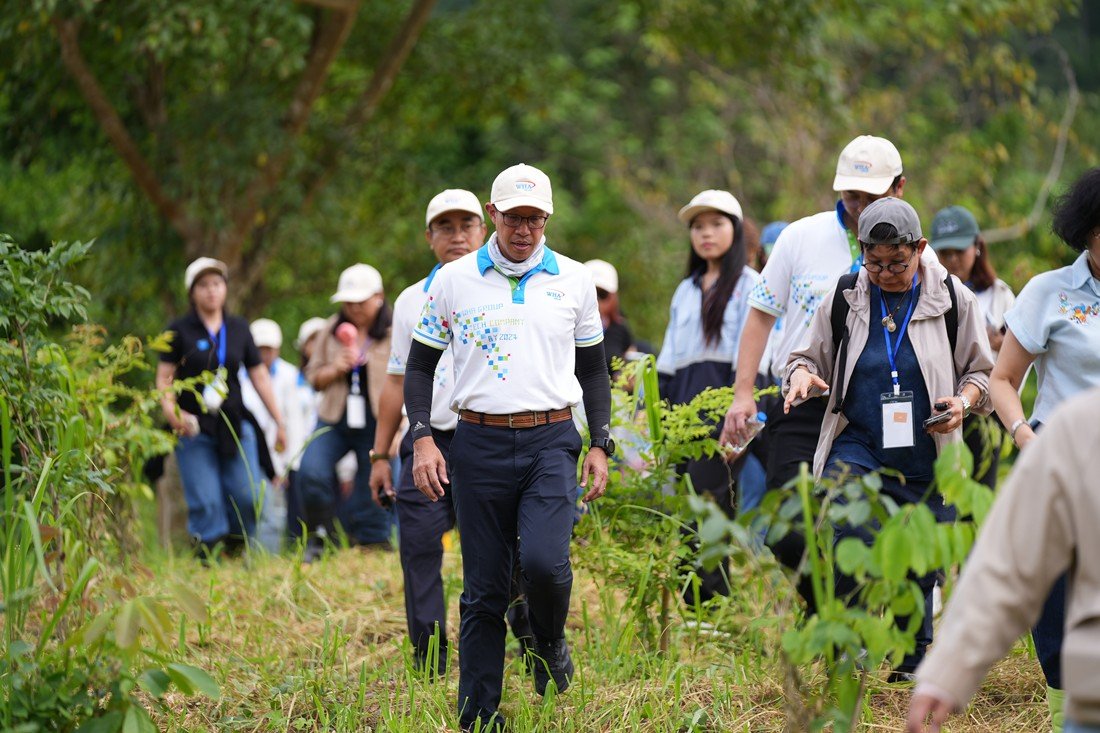
Key highlight is the progress of its pilot reforestation project, a joint initiative with the Mae Fah Luang Foundation under Royal Patronage at WHA Eastern Seaboard Industrial Estate 2 (WHA ESIE 2). This project distinguishes WHA ESIE 2 as the country’s first industrial estate to concretely develop natural ecosystems and restore biodiversity. The initiative aligns with WHA Group’s mission to achieve a Net Positive Impact by 2050, demonstrating actions that go far beyond mere carbon reduction.
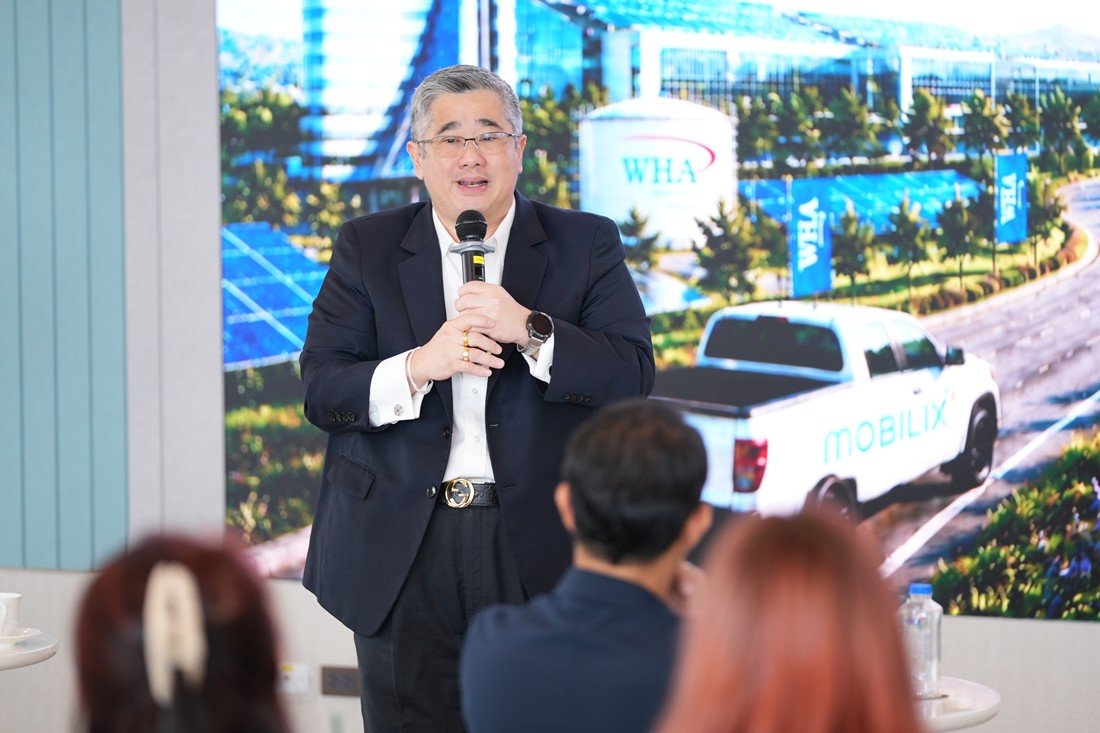
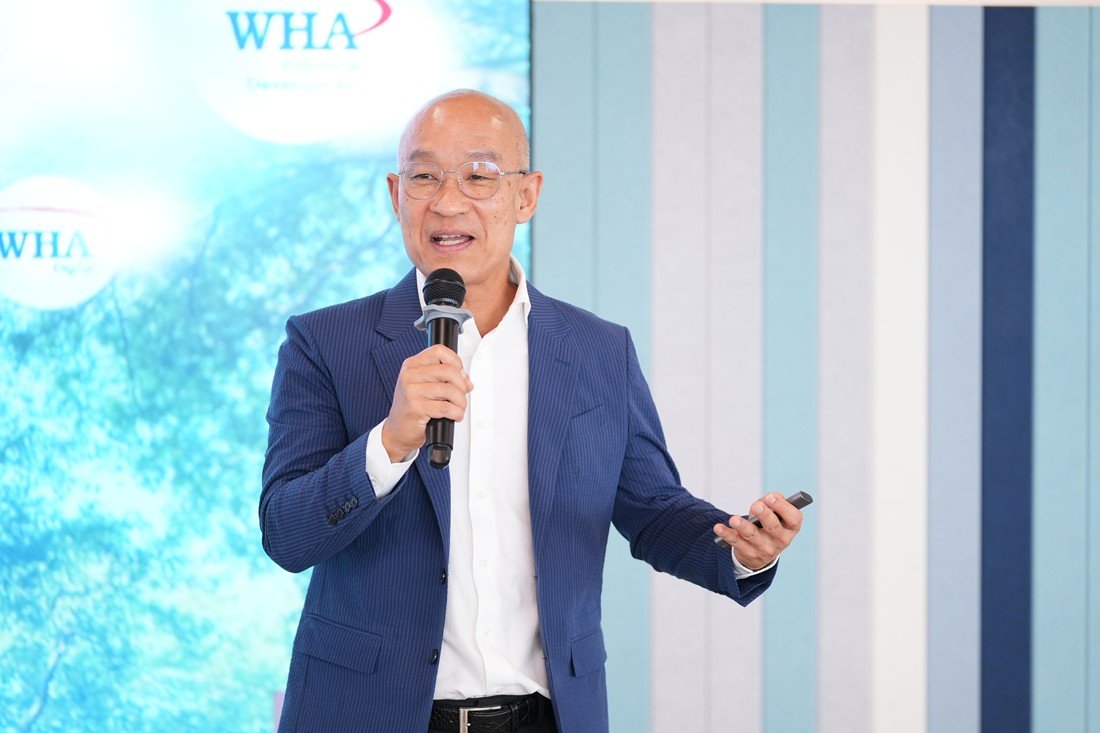
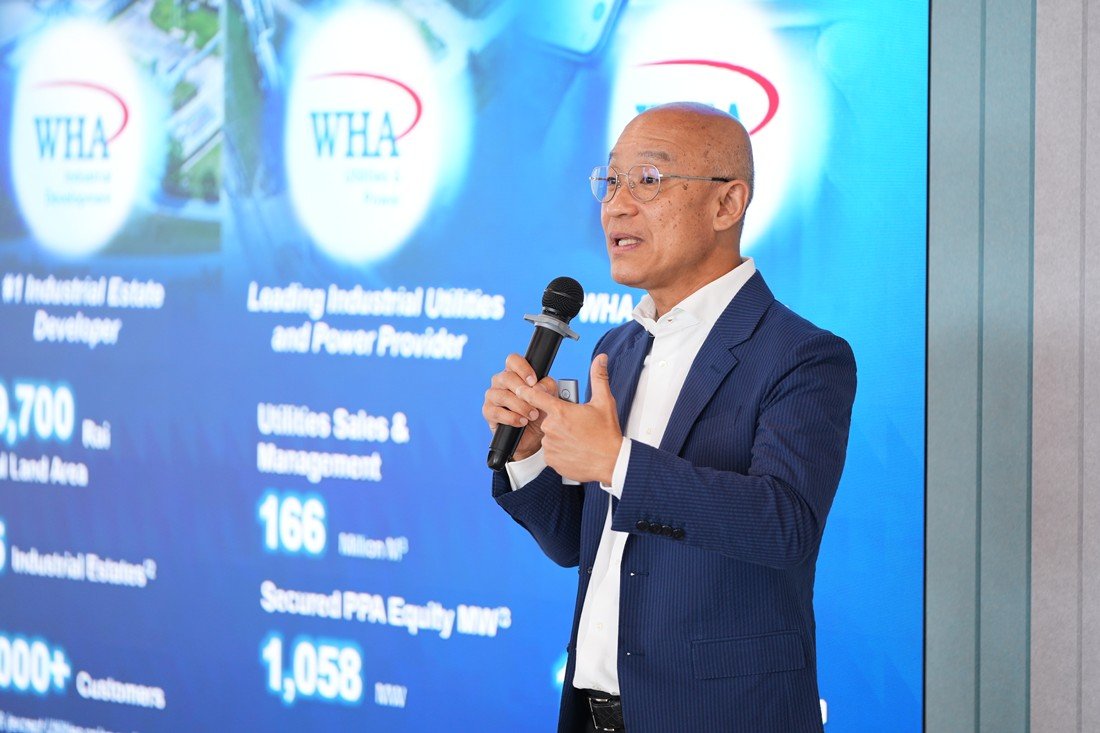
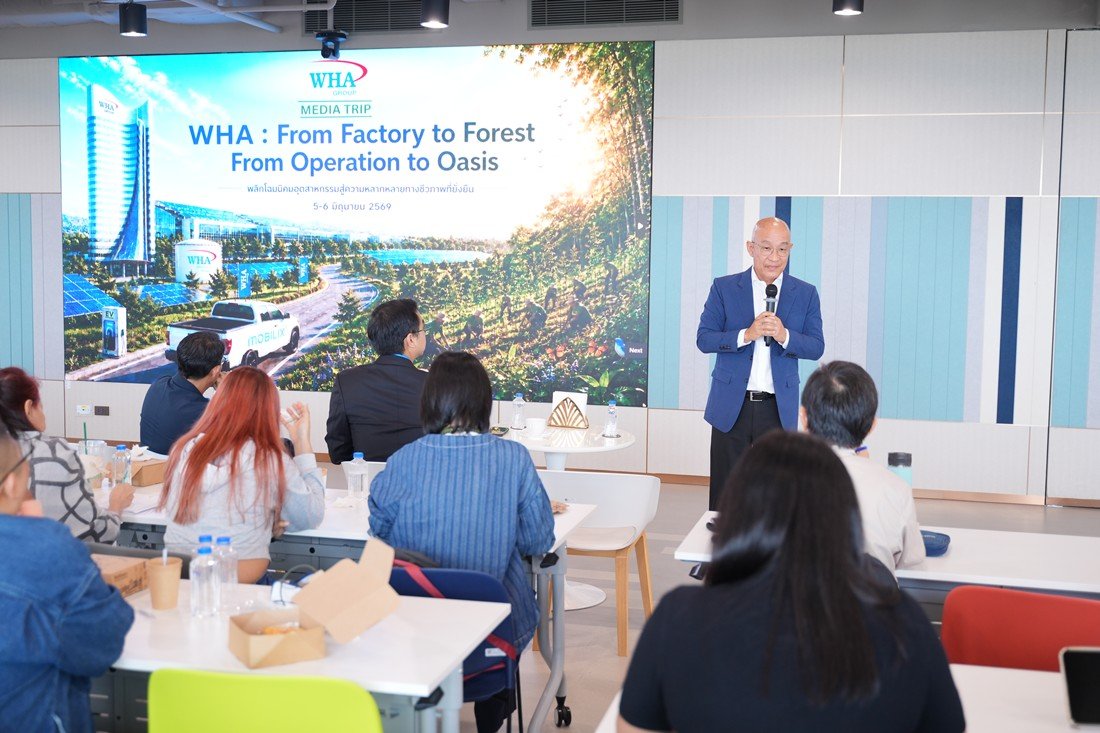
Mr. Pajongwit Pongsivapai, Chief Executive Officer of WHA Industrial Development Public Company Limited (WHAID), stated: "Guided by the vision of Ms. Jareeporn Jarukornsakul, Chairman of the Executive Committee and Group Chief Executive Officer of WHA Corporation PCL.
(WHA Group), we are committed to leading green business models through our 'Turning Green to Growth (กรีนต้องกินได้)' . This approach transforms sustainability into business opportunities that simultaneously generate economic returns, mitigate environmental impact, and enhance competitive advantages.
We aim to not only drive our own business but also play a pivotal role in accelerating Thailand's transition toward a low-carbon, circular economy. We are pioneers in adopting technologies and innovations for carbon reduction, resource efficiency, and circularity. Furthermore, we are building an ecosystem that supports green technologies across WHA Group’s entire value chain to tackle global challenges—ranging from climate change and resource security to biodiversity conservation and increasingly stringent global sustainability standards."
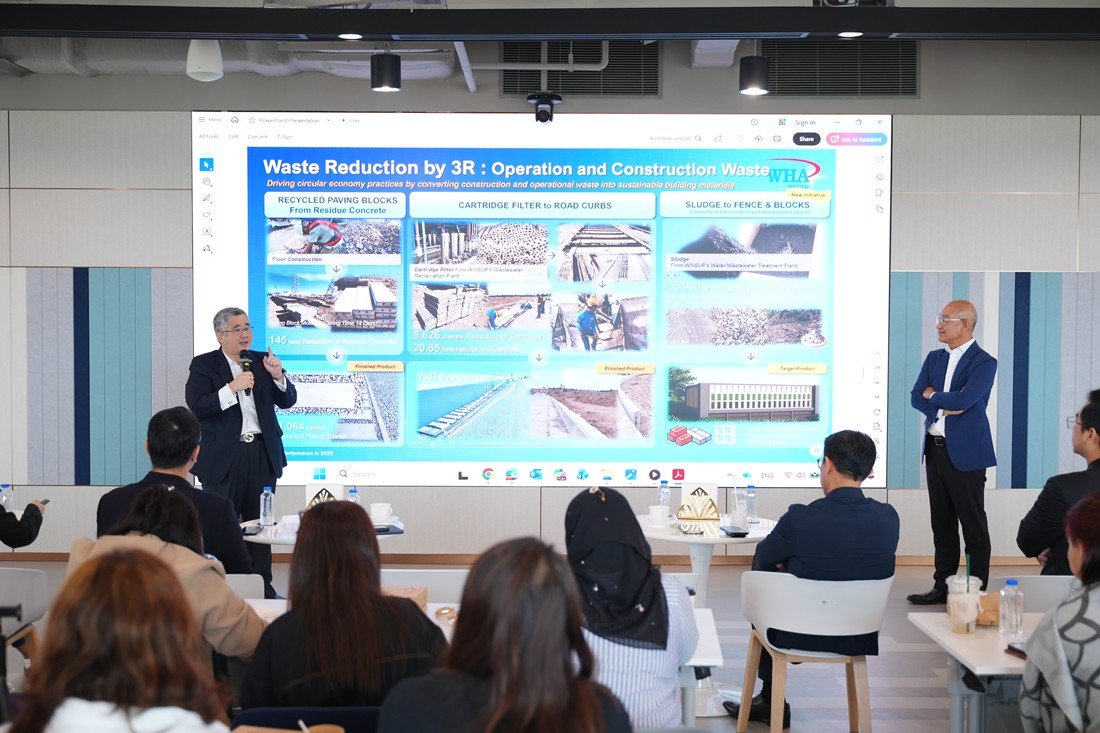
Under this green business model, WHA Group aims to increase its renewable energy capacity to 1,222 MW, expand its reclaimed water management to 24.25 million cubic meters, and transition a fleet of 10,000 electric vehicles by 2030. Additionally, the Group is exploring carbon-reduction technologies and next-generation energy transitions, such as Small Modular Reactors (SMRs), green hydrogen, and Carbon Capture, Utilization, and Storage (CCUS). WHA Group is also developing circular economy models to tackle industrial waste, focusing on estate-wide waste management, end-of-life solar panel recycling, and repurposing retired EV batteries.
"Beyond driving carbon reduction and developing green infrastructure, WHAID prioritizes balancing industrial growth with natural resource preservation, believing that economic and environmental progress must coexist. With this philosophy, WHA is Thailand's first industrial estate developer to concretely implement ecosystem development and biodiversity guidelines within its properties, creating a resilient and sustainable investment ecosystem ready for future industries.
Amid a rapid global and domestic decline in biodiversity, we recognize the urgency of accelerating environmental restoration, which lies at the heart of creating a 'Net Positive Impact.' This approach aligns with Thailand’s National Biodiversity Action Plan (2023–2027). We have set a clear goal of No Gross Deforestation by 2030 and intend to achieve a Net Positive Impact on Biodiversity by 2050, utilizing the principles of Avoid, Minimize, Restore, Regenerate, and Transform. Our ecosystem and biodiversity restoration initiative, partnered with the Mae Fah Luang Foundation, began with 150 rai across three industrial estates in 2025 and will expand to 233 rai across eight estates within 2026," Mr. Pajongwit added.
Mr. Smitthi Harueanphuech, Chief Nature-based Solutions Officer of the Mae Fah Luang Foundation under Royal Patronage, explained the principles behind this collaboration: "The ecosystem development and biodiversity restoration project at WHA ESIE 2 is a definitive example of applying Nature-based Solutions to enhance the quality and biodiversity of green spaces within industrial estates. We initiated the project in 2025 with a Biodiversity Baseline Survey, which identified 89 plant species and 31 bird species, alongside soil conditions with moderate organic matter and high density. This baseline data is crucial for structuring a phased restoration plan. Furthermore, we have launched pilot projects for soil enhancement and development through soil regenerative practices at WHA ESIE 3 and WHA Rayong 36 (RY36) to prepare the land for future planting and biodiversity restoration."
Through this systematic framework, WHA Group has continuously executed its restoration plans. In 2025, more than 15,800 trees were planted across 69 rai at WHA ESIE 2 and WHA ESIE 3. In 2026, an additional 81 rai will be planted at WHA ESIE 2 and RY36. Looking ahead, WHA Group plans to scale these efforts to other industrial estates, targeting an additional 82 rai of reforestation and ecosystem restoration within 2026. This expansion will cover WHA Saraburi Industrial Land (WHA SIL), WHA Chonburi Industrial Estate 1 (CIE1), WHA Eastern Seaboard Industrial Estate (ESIE), WHA Eastern Seaboard Industrial Estate 1 (ESIE1), and WHA Rayong Industrial Land (RIL), reflecting the Group’s ongoing efforts to generate positive biological impacts.
With a clear vision for a Net Positive Impact and tangible actions in nature and biodiversity conservation, WHA Group is driving economic growth while laying a critical foundation for industries of the future by integrating ecological development directly into business operations. This serves as another testament to WHA Group’s commitment to "Shape the Future for Thailand"—balancing economic, social, and environmental growth for a better future for generations to come.